
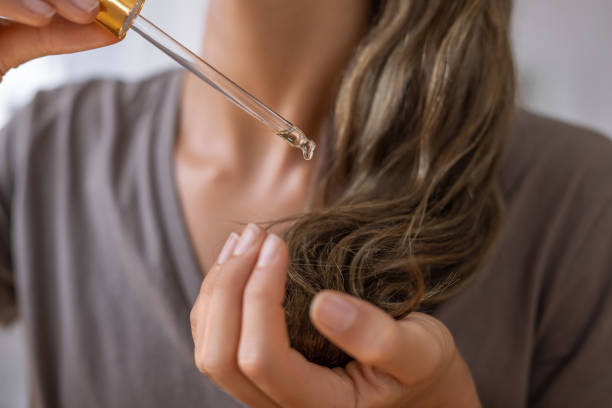
Welcome to Your New Beauty Routine
Your Skin Deserves Better Than Off-the-Rack Solutions
At 40 and beyond, your skin changes, and so do its needs. Standardized products are no longer enough, drowning your specificities in universal formulas that often only meet a fraction of your expectations. What if the solution was in your own kitchen, combining science, nature, and perfect customization? This approach to DIY beauty after 40 is not a step backward, but a leap forward into a conscious and informed routine.
Are We Speaking to You?
This guide is for you, the active woman aged 40 and over. You are the expert of your own skin. You may have tried dozens of creams with mixed results. You seek real efficacy without compromising on naturalness and transparency. You aspire to more than just a beauty gesture: a moment of wellness dedicated to yourself, where you take back control. We understand this quest for meaning and effectiveness perfectly.
A Resonating Testimonial

Your New Beauty Companion
This complete guide is designed to be your new companion. Here, we don’t just give recipes; we lay the solid foundations of a new skincare philosophy. You will leave with the method, the confidence, and all the theoretical keys to become the undisputed expert of your own beauty. We will give you the “why” and the “how,” so you can then create infinitely.
Part 1: Why DIY Beauty Revolution After 40? (Scientific Promise)
The DIY Beauty Revolution After 40: A Scientific and Sensory Response
After 40, the skin undergoes profound transformations, dictated by biology. Understanding these changes is the first step to addressing them effectively. DIY beauty after 40 is not a fad, but a logical and customized response to a physiological reality.
The Scientific Fact: What Exactly Changes in Your Skin After 40?
The changes are multiple and interconnected. It is crucial to know them to adapt your routine.
Slowing of Cell Renewal: The skin’s renewal cycle increases from about 28 days to 40 days or more. The result: a duller complexion, a less smooth texture, and a buildup of dead cells.
Drastic Drop in Collagen and Elastin Production: According to a study published in the Journal of Investigative Dermatology, women lose about 1% of their collagen per year after menopause. These proteins are the skin’s “scaffolding”; their decrease leads to loss of firmness and more pronounced wrinkles.
Weakening of the Hydro-Lipid Barrier: The production of sebum and essential lipids decreases. The skin has a harder time retaining its water, making it more prone to dryness, dehydration, and sensitivity. As Dr. Sarah Gottfried, a specialist in hormonal health, points out, “estrogenic changes directly impact the skin’s ability to maintain hydration.”
The DIY Response: The 5 Decisive Advantages for Mature Skin
Faced with these specific and multiple needs, DIY offers advantages that off-the-shelf products cannot match.
Extreme Personalization: You adapt each treatment to your skin’s condition that day: richer in winter, lighter in summer, targeting a wrinkle here, a spot there.
Transparency and Quality: You control every ingredient. No more controversial preservatives, silicones, or synthetic fragrances. You know exactly what you are applying to your skin.
Targeted Efficacy: You use raw active ingredients, at their optimal concentration, not diluted in a base that doesn’t suit you 100%.
Long-Term Economy: The initial investment in base ingredients (oils, butters) is quickly amortized over many treatments, often much more economical than their store-bought equivalents.
Pleasure and Empowerment: The pride of creating an effective treatment with your own hands is incomparable. It is a wellness ritual that reconnects you with yourself.
The Essential Framework: Precautions and Common Sense
The freedom of DIY comes with responsibilities. Safety is non-negotiable.
Strict Hygiene: Sterilize your containers and always use clean spatulas.
Allergy Tests: Systematically test each new recipe in the crook of your elbow and wait 24 hours.
Limited Shelf Life: Prefer small, opaque containers and store in a cool place (refrigerator) if necessary, in the absence of synthetic preservatives.
Part 2: The Essential “Toolbox”: The Basics of Star Ingredients
Your Must-Have Toolbox for DIY Beauty After 40
Before diving into recipes, it is essential to know your tools. Here are the fundamental ingredients that will form the foundation of all your future treatments. These actives, chosen for their affinity with the needs of mature skin, are the pillars of your new autonomy.
Vegetable Oils (VO): The Queens of Nutrition and Restoration
After 40, vegetable oils are indispensable. They restore the weakened hydro-lipid film, nourish deeply, and provide essential fatty acids.
Argan: The regenerating oil par excellence, rich in Vitamin E and antioxidants. Ideal for tired skin and to combat sagging.
Rosehip: A star for mature skin, it is renowned for its anti-wrinkle and scar-healing properties, helping to fade scars and spots.
Avocado: Extremely nourishing and penetrating, it is perfect for very dry and dehydrated skin.
Jojoba: Technically a liquid wax, its structure is very close to human sebum. It regulates and hydrates without greasiness.
Hydrosols (Floral Waters): Gentle and Soothing Hydration
These are the waters derived from the distillation of plants. Their role is to tone, soothe, and provide an essential first layer of hydration before oil.
Roman Chamomile: Soothing and anti-inflammatory, perfect for sensitive and reactive skin.
Rose: Hydrating, firming, and slightly astringent, it restores radiance to dull skin.
Helichrysum (Immortelle): A remarkable decongestant and under-eye treatment, it’s a must-have for the eye area.
Targeted Actives and Vegetable Butters
To complete your arsenal, these ingredients provide specific properties and allow you to modulate textures.
Aloe Vera: Its gel is a powerful hydrator and soother. It is an ideal aqueous base for combination skin or summer treatments.
Vitamin E: This is a powerful antioxidant that protects vegetable oils from rancidity. It is also beneficial for the skin, fighting oxidative aging.
Vegetable Butters (Shea, Cocoa): They provide a rich, protective, and nourishing texture. Essential for lip balms, hand creams, foot care, and very dry areas.
Essential Oils (EO): Power with Caution
Essential warning: Essential oils are powerful concentrates, potentially skin-irritating, allergenic, or photosensitizing. Their use is always optional, always diluted (less than 1% in a preparation), and always preceded by an allergy test.
True Lavender (Lavandula angustifolia): Soothing, healing, and universal, it is one of the safest for beginners.
Rosewood (Aniba rosaeodora): Exceptionally regenerating and anti-aging, it is also very well tolerated.
Your Questions on DIY Beauty After 40
1. Is DIY beauty really safe for mature and sensitive skin?
Yes, provided you scrupulously follow the rules of hygiene, perform allergy tests, and start with simple recipes containing few ingredients. The transparency offered by DIY actually allows you to avoid any allergen or irritating ingredient that might be found in an industrial product
2. How long can I keep my homemade preparations?
The shelf life is limited, generally from 1 to 3 months, especially if you do not use a synthetic preservative. Always store your preparations in a cool, dark place, in small, well-sterilized containers.
3. When should you consult a dermatologist instead of self-treating with DIY?
It is imperative to consult a doctor or dermatologist for any persistent, severe skin problem or one whose cause you do not know (eczema, significant rosacea, suspicious lesion, severe hormonal acne). DIY is a preventive and comfort care approach, but it does not replace a medical diagnosis.
Part 3: The 5-Step Method for Building Any Skincare Product
Your Roadmap to Successful DIY Skincare Creation
Now that we understand the “why” and the “what,” let’s move on to the “how.” This 5-step method is designed to be your compass, guiding you from identifying your need to formulating your perfect product. It applies to any type of product, from the simplest serum to the richest balm.
Step 1: The Diagnosis – Learning to Listen to Your Skin's Messages
Customization begins with fine, benevolent observation. Take a moment in front of your mirror and ask the right questions.
What is the dominant sensation? Does it feel tight (need for hydration/nourishment)? Is it oily in some areas (sebum regulation)?
What is its appearance? Does it look dull (slowing cell renewal)? Are fine lines more pronounced (lack of firmness)? Are any age spots appearing?
Is it reactive? Redness, itching, or discomfort signal a weakened skin barrier.
Step 2: Choosing the Base – Defining the Texture and Main Function
Your diagnosis guides you toward a base that will lay the foundation for your product.
Water-Based (Hydrosols, Aloe Vera): Ideal for toning mists, refreshing gels, or as a first layer under a cream. Perfect for combination to oily skin or for a hydration boost.
Oil-Based (Vegetable Oils): A must for nourishing and anti-aging serums. Choose a single VO or a blend based on your needs (Argan for regeneration, Jojoba for balance).
Rich Base (Vegetable Butters): For balms, hand and foot treatments, or very dry areas. Shea butter, for instance, is a staple for its richness in unsaponifiables.
Science: A study highlighted that the application of vegetable oils like sunflower oil or apricot kernel oil significantly helps strengthen the skin’s barrier function, thereby reducing trans-epidermal water loss, a key concern after 40.
Step 3: Personalization – Targeting Precisely with Active Ingredients
This is where you give your product its “raison d’être.” To the chosen base, you add actives to address specific issues.
To Boost Firmness: A Rosehip Seed Oil, rich in fatty acids and natural retinoids.
To Soothe Redness: A Chamomile or Cornflower Hydrosol.
To Fight Free Radicals: A few drops of Vitamin E, a powerful antioxidant that protects and stabilizes your blend.
Science: Dr. Shari Marchbein, a dermatologist, emphasizes that topical antioxidants like vitamin E are crucial in an anti-aging routine because they “help neutralize free radicals generated by UV exposure and pollution, which degrade collagen and elastin.”
Step 4: The Soul of the Product – Sensory and Functional Extras (Optional)
DIY is also about the pleasure of the senses and the unique touch. This step is not mandatory, but it transforms a product into a ritual.
Scents: 1-2 drops of a safe essential oil like True Lavender for relaxation.
Textures: A pinch of silica powder to mattify a serum, or beeswax to thicken a balm.
Colors: An infusion of saffron for a golden oil, or annatto seed powder for a slight rosy tint.
Step 5: Quality Control – Test, Adjust, Document (The Key to Success)
The first version of a product is rarely the final one. Adopt a scientific approach.
Always patch-test your blend in the crook of your elbow and wait 24 hours to check for any reaction.
Adjust: “Too rich? I’ll add some Aloe Vera. Not nourishing enough? I’ll boost it with Avocado oil.”
Write EVERYTHING down in a “beauty logbook”: proportions, dates, your impressions. It’s the only way to replicate a success or understand a failure.
Next Step: Ready to apply this method? Start simply with a custom face serum by mixing 2 or 3 vegetable oils suited to your daily diagnosis.
Part 4: The Field of DIY Possibilities: Beyond the Face
Holistic Beauty: Pampering Your Entire Body Ecosystem
Beauty after 40 doesn’t stop at the chin. Adopting a global vision means understanding that the skin on your body, your hair, and even your scalp have specific needs that deserve custom attention. Extending your DIY practice to your entire body guarantees optimal well-being and beauty consistency.
The "Forgotten" Zones of the Face & Neck: The Triad of Youth
The neck and décolletage are often the first to show signs of aging, as their skin is thin and fragile.
The Neck & Décolletage: Use the same rich, anti-aging products as for your face. Rosehip Seed Oil and Argan Oil are perfect. Apply with upward strokes.
The Eye Area: This ultra-delicate area requires light, penetrating oils. Opt for Jojoba Oil or Grapeseed Oil, possibly enriched with a drop of Helichrysum Hydrosol, known for its decongestant and anti-dark circle properties.
The Hands: Caring for Your Calling Card
Hands are subjected to multiple aggressions (washing, UV rays) and quickly show signs of wear.
Gentle Scrub: Mix fine sugar with olive oil or Sweet Almond Oil to exfoliate dead cells and smooth the skin.
Intense Nourishing Balm: A blend of shea butter, beeswax, and Castor Oil (excellent for strengthening nails) will create a protective balm to apply at night.
The Body, Hair, and Feet: The Triangle of Well-being
The Body: After showering, on still-damp skin, apply a simple body oil (sunflower, apricot kernel) or a homemade “lotion” (an emulsion of hydrosol and light oils).
The Hair & Scalp: Vegetable oils make exceptional hair masks. Coconut Oil for dry hair, Jojoba Oil to regulate an oily scalp. Leave on for 30 minutes before shampooing.
The Feet: Mix shea butter, coconut oil, and a few drops of Peppermint Essential Oil (refreshing) for a reparative balm to apply to feet and cracked heels.
Adopting an Ecosystem Vision: The Key to Authentic Beauty
Science: According to a holistic approach like Ayurveda, massaging the entire body (Abhyanga) with warm oils doesn’t just nourish the skin; it calms the nervous system, improves circulation, and helps eliminate toxins. Dr. Deepak Chopra often reminds us that “the skin is a window into the body’s physiological and emotional balance.” Taking care of your body in its entirety means acting on your overall well-being.
Next Step: Want precise recipes for the body? Discover our dedicated guide to [DIY Body Care: Homemade Oils, Lotions, and Scrubs] to transform your bath routine into a veritable spa experience.
DIY Beauty After 40 – Practical Questions
Q1: Is DIY beauty truly safe for my mature and sensitive skin?
A: Yes, provided you follow strict hygiene rules (sterilized equipment), always perform a patch test in the crook of your elbow, and start with simple recipes containing few ingredients. The transparency offered by DIY allows you to precisely avoid potential allergens or irritants found in industrial products.
Q2: When should I absolutely consult a dermatologist before starting?
A: It is imperative to consult a doctor or dermatologist if you have a history of severe skin allergic reactions, skin affected by an uncontrolled condition (eczema, rosacea, psoriasis), or if you plan to use powerful active ingredients on damaged skin.
Q3: How do I properly store my homemade products without synthetic preservatives?
A: Preservation is the key point. Prepare small quantities. Store your products away from light and heat, ideally in the refrigerator, especially formulas based on hydrosols or Aloe Vera. Use airless pump bottles to limit oil oxidation. Vitamin E is a natural antioxidant that helps slow the rancidity of oils.
Q4: What is the best anti-wrinkle vegetable oil to start with for DIY after 40?
A: Rosehip Seed Oil is often considered a gold standard for its regenerative and scar-healing properties, documented to improve the appearance of wrinkles and scars. It’s an excellent choice for a first targeted anti-aging serum.
A World Tour of Beauty Wisdom: A Heritage to Make Your Own
DIY Beauty After 40: An Inspiring Journey Around the World
The quest for radiant skin after 40 knows no borders. By drawing on traditions from around the world, you are not just making skincare; you are connecting to ancient rituals. This cultural approach enriches your DIY beauty practice with new depth, turning every gesture into a moment of meaning and connection.
The Ritualism and Perfection of Japanese Beauty (Geisha)
Japanese beauty, embodied by Geishas, is based on ceremony and prevention. Every gesture is precise, deliberate, and focused on preserving the skin.
The Double Cleanse: This involves first dissolving impurities and makeup with an oil (like Camellia Oil, rich in oleic acids to nourish and strengthen the skin barrier), then cleansing deeply with a water-based product. This ritual ensures perfectly clean skin without stripping it.
Skincare as Ceremony: Caring for your skin is not a chore, but a moment of meditation and self-care.
The Balance of Ayurvedic Doshas (India)
Ayurveda, the traditional Indian medicine, teaches that beauty is a reflection of inner balance. It categorizes skin according to three doshas (vital energies).
Vata (Air): Dry, thin skin prone to fine lines. It needs nourishing and warming oils like Sesame Oil.
Pitta (Fire): Sensitive skin prone to redness and inflammation. It is soothed by Coconut or Sunflower Oil.
Kapha (Earth): Oily, thick skin. It benefits from purifying powders like Neem or Turmeric.
Abhyanga Massage: This massage with warm oil all over the body is central to calming the nervous system, nourishing the skin, and eliminating toxins.
Science: A study published in the Journal of Clinical and Aesthetic Dermatology noted that Ayurvedic facial massage, combined with the use of specific oils, showed a significant improvement in skin elasticity and a reduction in skin dryness among participants.
The Generosity and Simplicity of the Mediterranean
Olive Oil: Rich in antioxidants (polyphenols) and vitamins, it is a top-tier moisturizer and reparative agent for the face and body.
Honey: A powerful humectant (it retains water) and antibacterial, it is perfect in hydrating masks or to soothe irritations.
Clays and Floral Waters: Green clay purifies, while Orange Blossom Water tones and delicately scents skincare with its soothing properties.
Energy and Circulation in Traditional Chinese Medicine (TCM)
In TCM, a glowing complexion is a sign of good circulation of Qi (vital energy) and blood. Beauty comes from stimulation.
Gua Sha: Using a stone tool (like jade) to massage the face along specific meridians. This practice improves microcirculation, draining toxins and bringing oxygen and nutrients to the cells. The result: a decongested, lifted, and luminous complexion.
Expertise: According to TCM practitioner Annelise Hagen, author of “The Well-Aged Woman,” Gua Sha “helps release the tension that creates wrinkles and a dull complexion, by restoring optimal flow of energy and blood.”
The Robustness and Protection of Nordic and Slavic Traditions
In harsh climates, the skin must be protected and strengthened. The local nature provides exceptionally powerful active ingredients.
Wild Berries: Bilberry and Sea Buckthorn are antioxidant powerhouses (Vitamin C, flavonoids) that help fight the oxidative stress responsible for skin aging.
Robust Plants: Ingredients like birch sap are used for their draining and purifying properties.
Next Step: Inspired by Gua Sha? Create your own anti-aging facial massage oil by blending Rosehip and Jojoba oils, and incorporate it into a 2-minute facial massage ritual every evening.
Conclusion and Call to Action
Becoming the Architect of Your Beauty After 40: The Recap
You have reached the end of this foundational guide. You are not the same person you were at the beginning of this read. You now have an intimate understanding of your skin’s changes, a toolbox of star ingredients at your fingertips, an infallible method for creation, and a worldwide source of inspiration. You hold the keys to no longer enduring your skin, but to acting on it with intelligence and kindness.
Let’s recap the key points:
Your skin at 40+ has specific needs: nutrition, collagen stimulation, and barrier reinforcement.
DIY beauty is the most logical response: personalization, transparency, efficacy, and empowerment.
The 5-step method (Diagnosis, Base, Personalization, Soul of the product, Quality Control) is your framework for creating with confidence.
Beauty is holistic: pamper your face, but also your body, hands, and hair.
The beauty wisdoms from around the world are an endless source of inspiration to enrich your ritual.
Your DIY Beauty Adventure is Just Beginning
The most important message of this guide is this: DIY beauty after 40 is not a complicated chore reserved for the initiated. It is a return to essentials, a deep listening to oneself, and an act of autonomy. It is the pride of looking in the mirror and knowing that the product brightening your skin is the fruit of your own know-how. This journey, where you are the heroine, is a celebration of yourself.
Let's Get Practical: Create Your First Product Today!
Theory is exciting, but the magic truly happens in action. It’s time to transform this knowledge into concrete results.
Look no further! To accompany you step-by-step in applying these principles, we have developed a series of practical guides and detailed recipes for every specific need.
Your new skincare routine, 100% personalized, 100% effective, and 100% pleasurable, awaits. You just need to take the first step.
💎 Start with targeted and effective treatments with our detailed guide: Voir Guide. You will find precise recipes to create anti-aging, nourishing, or balancing serums.
💎 Treat yourself to an intense well-being moment with our detailed guide: Voir Guide . Simple blends based on clay, honey, and powerful actives for smooth, radiant skin.
💎 Don’t forget your body and extend this feeling of well-being with our detailed guide: Voir Guide. Learn to create enveloping bath oils and nourishing balms.
Holistic Care After 40: 6 Key Areas You Should Not Neglect
Did you know that the skin on your hands reveals your age as faithfully as the first wrinkles on your face? After 40, holistic beauty is no longer confined to a simple facial routine. It’s a sensory journey that encompasses every inch of your being, from your scalp to the tips of your toes. Embracing this holistic wellness perspective, we will expand the possibilities of DIY by exploring six key, often neglected areas: the forgotten zones of the face and neck, the hands—your tell-tale calling card, the body as a whole, hair and scalp, our foundations—the feet and legs, and finally, rituals for the entire body. Self-care means embracing a global vision of beauty.
Beyond the Face: Adopting a Holistic Vision for DIY Beauty
Holistic wellness teaches us that everything is interconnected. Radiant skin is not just the result of a good facial care routine, but also of the attention paid to the entire body. As Dr. Sarah Gottfried, a specialist in women’s hormonal health, states, “Aging skin is a multi-system process. Nourishing your skin from the outside must be accompanied by attention to all the areas that need it, as they are the mirror of our internal health.“
1. The "Forgotten" Zones of the Face and Neck
The neck and décolletage, often called the “scarf area,” have thin, fragile skin with few sebaceous glands. A study published in the Journal of Cosmetic Dermatology highlighted that loss of firmness and the appearance of wrinkles in this area are among the first signs of photoaging.
The Neck & Décolletage: Opt for nourishing and firming treatments with oils rich in essential fatty acids (sweet almond, avocado) and regenerating actives (Vitamin E).
The Lip Contour & Crow’s Feet: These areas are prone to micro-wrinkles from facial expressions. DIY treatments should be ultra-hydrating (aloe vera gel, cocoa butter) and fast-absorbing.
2. The Hands: Your Tell-Tale Calling Card
Hands are constantly exposed to aggression. After 40, decreased collagen and elastin production leads to volume loss, making veins more prominent, and the skin becomes drier.
Recommended DIY Care:
Gentle Scrub: Mix cane sugar and honey to gently exfoliate and even out the skin tone.
Ultra-Rich Hand Cream: Combine shea butter, beeswax, and coconut oil for a protective and nourishing barrier.
Precautions: Lemon essential oil, effective against spots, is photosensitizing. It should be used only at night and sparingly.
3. The Body: The Expansive Canvas to Pamper
With age, the skin on the body becomes drier and less firm. Body scrubs don’t just smooth; they stimulate microcirculation, improving skin tone and radiance.
DIY Care to Develop:
Invigorating Body Scrub: A blend of coffee grounds, sea salt, and coconut oil.
Homemade Body Lotion: Lighter than a cream, it hydrates without a greasy film. Base: orange blossom hydrosol, sweet almond oil, and a natural emulsifier.
4. Hair & Scalp: Your Crown
Hormonal changes directly impact hair vitality. It can become thinner, drier, and the scalp more sensitive. Research from the American Academy of Dermatology indicates that scalp health is directly linked to the quality of the hair fiber.
Relevant DIY Care:
Nourishing Hair Mask: Mashed avocado and castor oil to restore flexibility and shine.
Scalp Scrub: Mix fine salt with green clay and a little water to decongest and stimulate growth.
5. Feet and Legs: Our Foundations
Our feet carry our entire weight, and our legs are often the site of poor circulation. Regular care ensures daily comfort.
DIY Care to Imagine:
Reparative Foot Balm: Based on shea butter and vegetable urea (an excellent humectant) to soften cracked heels.
“Light Legs” Gel: Based on aloe vera gel, witch hazel (astringent), and a few drops of cypress essential oil to tone venous walls.
6. A Sensory & Holistic Approach: The Entire Body
Holistic beauty is also a sensory experience. Bath and massage rituals are not a luxury, but a necessity for reducing stress, a known accelerator of aging.
Detoxifying Bath Salts: Mix Epsom salts, green clay, and lavender essential oil for muscle and mental detox.
Custom-Blended Massage Oils: Create synergies for relaxation (lavender, chamomile) or to invigorate (rosemary, grapefruit).
Conclusion
Beauty after 40 is a whole. It’s the art of pampering your face, but also your hands, body, hair, and feet with personalized DIY care. This holistic approach allows you to become the active agent of your daily well-being.
Your next step? Choose just one of the areas discussed—perhaps the most neglected one—and test one recipe this week. Start simply with a hand scrub or a hair mask. This small step is the beginning of a new dialogue with yourself.
FAQ (Frequently Asked Questions)
What are the symptoms of a hormonal imbalance on the skin after 40? The skin can become drier, less firm, with the appearance of pigmented spots (persistent melasma) and hormonal acne around the jawline.
Is using lemon essential oil for age spots safe? No, it is photosensitizing. It must be used in very low concentration (1%), only at night, and sunscreen must be applied the next day. Alternatives like rosehip oil are safer.
How can I boost collagen production naturally with DIY? Treatments with rosehip oil (rich in natural retinoids) and aloe vera (malic acid) can help. However, diet (Vitamin C, protein) remains the primary lever.
When should you see a doctor for persistent skin problems? If you notice a spot that changes shape or color, a sore that doesn’t heal, or sudden, significant hair loss, you should immediately consult a dermatologist.
What is the best carrier oil for mature dry skin in DIY body care? Avocado oil is excellent for mature skin due to its content of sterols and Vitamins A and E. Sweet almond oil is also a classic, very nourishing and soothing choice.
World Tour of Beauty Wisdom: Draw from Traditions for a Tailored and Holistic Care
What if the key to truly personalized beauty after 40 lies in the ancestral wisdom of women from around the world? Beyond simple recipes, the most powerful Do It Yourself approach is one inspired by time-tested rituals, transforming your bathroom into a sanctuary of cultures and knowledge. Exploring these traditions means embracing a profoundly holistic vision of beauty, where caring for the skin and body is inseparable from a philosophy of life, an inner balance, and a connection to nature. Here is how to draw from this universal heritage to enrich your routine.
Japanese Ritualism: The Discipline of Radiance
Inspired by Geishas, this approach turns beauty into an art of prevention and precision. It will appeal to the “Ritualist”, the one who seeks excellence in a structured routine.
Its Star Ingredient: Rice water, rich in ferulic acid and allantoin, to smooth and brighten the complexion.
Its Expert Gesture: The Kobido facial massage, an ancestral technique that, according to a study published in the Journal of Physical Therapy Science, significantly improves muscle tone and skin microcirculation.
The Typical DIY: A homemade tonic lotion made from fermented rice water and a nourishing hair oil with camellia (Tsubaki) oil.
Indian Ayurveda: The Balance of Inner Energies
For the “Spiritualist”, in search of meaning, Ayurveda offers beauty personalized according to one’s dosha (energy profile). Beauty is a direct reflection of inner balance.
Its Star Ingredient: Turmeric, with powerful anti-inflammatory and antioxidant properties, perfect in a Ubtan mask to even out the skin tone.
Its Expert Gesture: The Abhyanga full-body massage with warm sesame oil. According to Dr. Vasant Lad, a pioneer of Ayurveda in the West, this practice “not only nourishes the skin but also calms the nervous system and lubricates the joints, slowing the aging process.“
The Typical DIY: A customized “Ubtan” face mask based on chickpea flour, turmeric, and oils suited to one’s dosha.
Mediterranean Generosity: The Treasures of the Earth and Hammam
This tradition, passed down from mother to daughter, celebrates simple, sensory pleasures. It is made for the “Sensualist” who loves rich textures and captivating scents.
Its Star Ingredient: Argan oil, a Moroccan treasure rich in Vitamin E and fatty acids, to deeply nourish skin, hair, and nails.
Its Expert Gesture: The black soap scrub at the Hammam, followed by a Ghassoul clay wrap, to purify and regenerate the skin.
The Typical DIY: An invigorating body scrub with black soap, olive oil, and sugar, followed by a hydrating mask with argan oil.
Chinese Medicine: The Stimulation of Vital Energy
Pragmatic and effective, Traditional Chinese Medicine (TCM) believes that beauty comes from optimal circulation of Qi (energy). It speaks to the “Activist” who loves tools and visible results.
Its Star Ingredient: Ginseng, a renowned skin tonic believed to stimulate collagen production and restore firmness.
Its Expert Gesture: The use of a jade roller or gua sha tool for drainage and decongestion. Research from the Beijing University of Chinese Medicine showed that these techniques significantly improve facial blood microcirculation.
The Typical DIY: A facial care oil infused with ginseng, used with a gua sha protocol to sculpt the facial contours.
Nordic & Slavic Robustness: Protection Against Aggressions
Faced with harsh climates, these traditions favor “shield” care, ultra-protective and reparative. They are ideal for the “Naturalist”, who faces the elements.
Its Star Ingredient: Sea buckthorn, a berry exceptionally rich in Omega-7 and Vitamin C, to regenerate the driest and most damaged skin.
Its Expert Gesture: The hot-cold alternation of the sauna followed by a cool shower or plunge, to stimulate circulation and firm the skin.
The Typical DIY: An ultra-rich reparative balm for hands and feet based on shea butter and sea buckthorn oil.
Section Conclusion:
These wisdoms are not mutually exclusive; they complement each other. You can perfectly adopt Japanese discipline for your face, Mediterranean generosity for your body, and TCM techniques for your morning ritual. True holistic wellness invites you to create your own beauty syncretism, a unique blend of traditions that resonates with your story, your needs, and your life philosophy. Your next step? Identify the tradition that speaks to you most intuitively and introduce just one of its gestures or just one of its ingredients into your routine this week.